Lesson · Foundations · 6 min, questions included Gentle
Alone and Together
In one line No one stays safe, fed or sheltered alone; order is the first thing a group makes together.
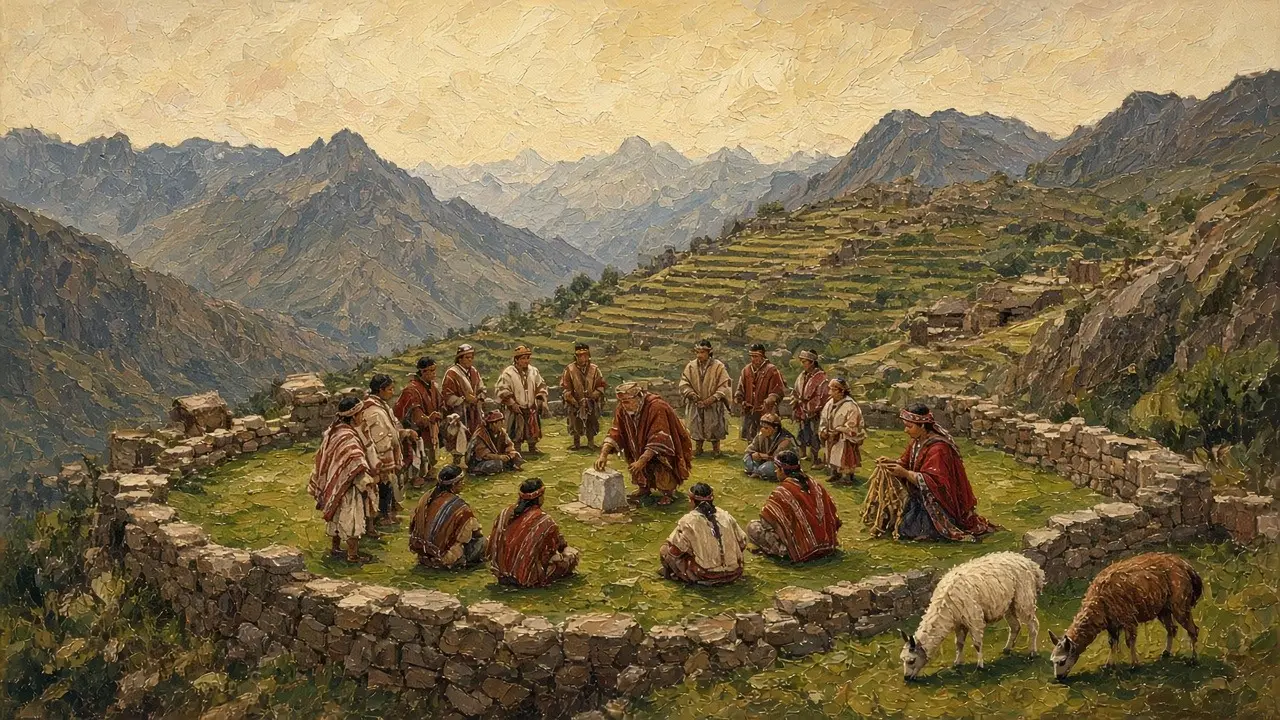
Your first lesson. Read the idea, then answer two questions to lock it in. If you miss one, you will see why that choice is off and get a different question. It takes about 6 minutes.
Week 1 · Why we need each other · lesson 1 of 7 Why now: The week opens with the plainest fact in politics: none of us can live alone, so groups and the order they make come before anything else.
Try to imagine living for a week with no help from anyone. You would have to find your own food, build your own shelter, and stay awake to guard both. The historian Ibn Khaldun opened his great book, the Muqaddimah, with this point. One person cannot grow grain, grind it, bake it and also keep watch against animals and other people. Humans must cooperate to eat, and they must cooperate to defend themselves.
Cooperation lets people divide the work. One grows wheat, another makes tools, a third keeps the night watch. Each does one job well instead of many jobs badly, and the group gets more than the sum of its separate efforts. This is the division of labour, and it is older than any kingdom. Long before anyone wrote a law, people were sharing tasks and relying on each other.
But the moment people depend on each other, a question appears. Who gets the grain when the baker and the guard disagree? What happens when someone takes more than they gave? A group that cannot answer these questions falls apart. So the first thing any group produces is not bread or tools. It is order: a shared way of settling who does what and who gets what.
Aristotle put it in a phrase that has lasted more than two thousand years. A human being is by nature a political animal. He did not mean we love elections. He meant that living in an organised group is part of what we are, as living in a hive is part of being a bee. Politics, in the widest sense, is the work of keeping the group together. This course is about how that work gets done.
The night the power went out
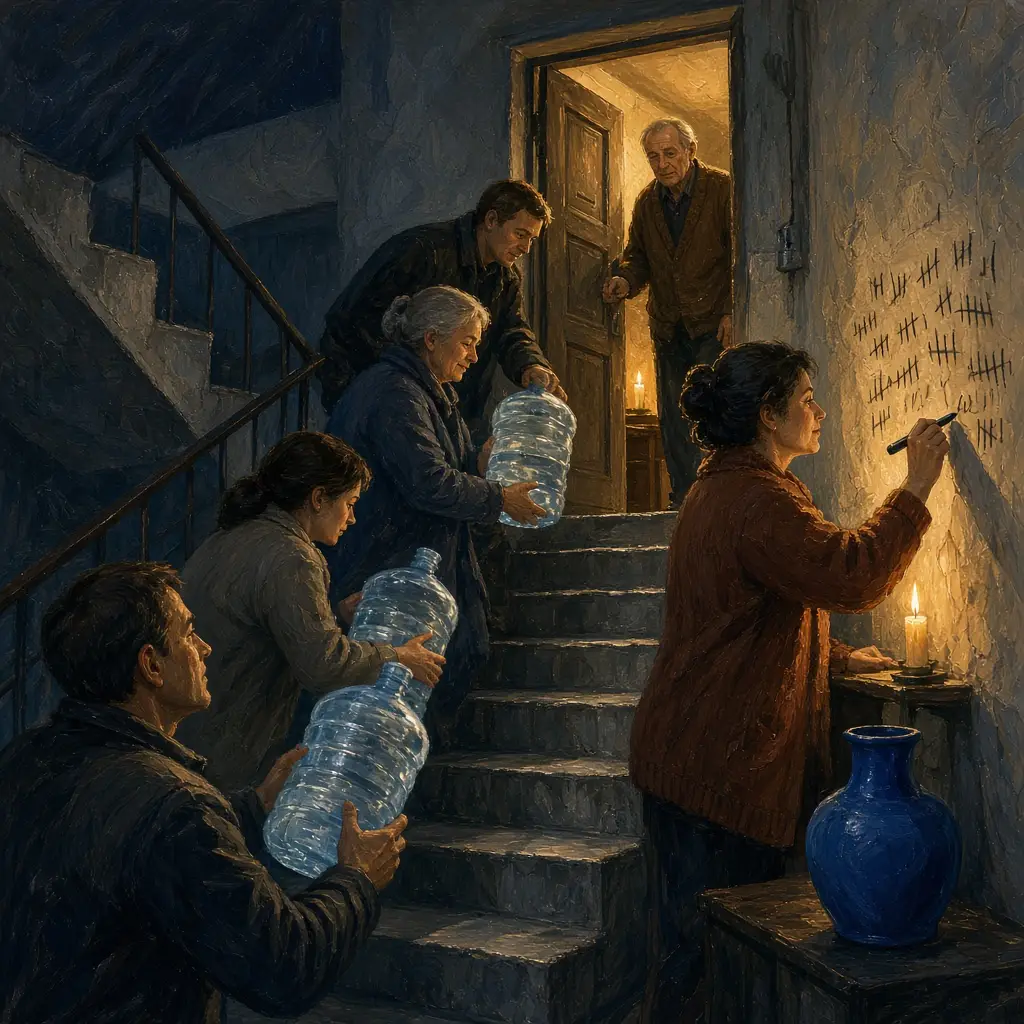
When a storm cut the power to Mirela's apartment block in Cluj for three days, the building changed. The lifts stopped. The old man on the sixth floor could not get down. Within an hour, neighbours who had barely nodded to each other were carrying water up the stairs, pooling candles, and taking turns cooking on the one gas stove in the block.
By the second evening someone had written a list on the stairwell wall: who had medicine, who could watch children, who would check on the sixth floor at eight. Nobody voted on it. Nobody was in charge. But the list was a set of rules, and it held. Mirela later said the odd part was not the kindness. It was how fast a group of strangers produced a little government.
Try this today Count the people whose work touched your breakfast. Then write one sentence and keep it for a year: on whose terms should people make order together?
Cite or share this lesson
A plain reference you can paste into notes or an essay:
Quest2Order. “Alone and Together.” https://quest2order.com/learn/lesson/alone-and-together. Accessed 29 November 2026.
Sources
- Ibn Khaldun, Muqaddimah — Chapter 1 on why humans must cooperate for food and defence.
- Aristotle, Politics, Book I — The human being as a political animal.