Lesson · 6 min Steady
Rule by Virtue
In one line Confucius held that rulers who lead by example and ritual win a willing order that punishment cannot buy.
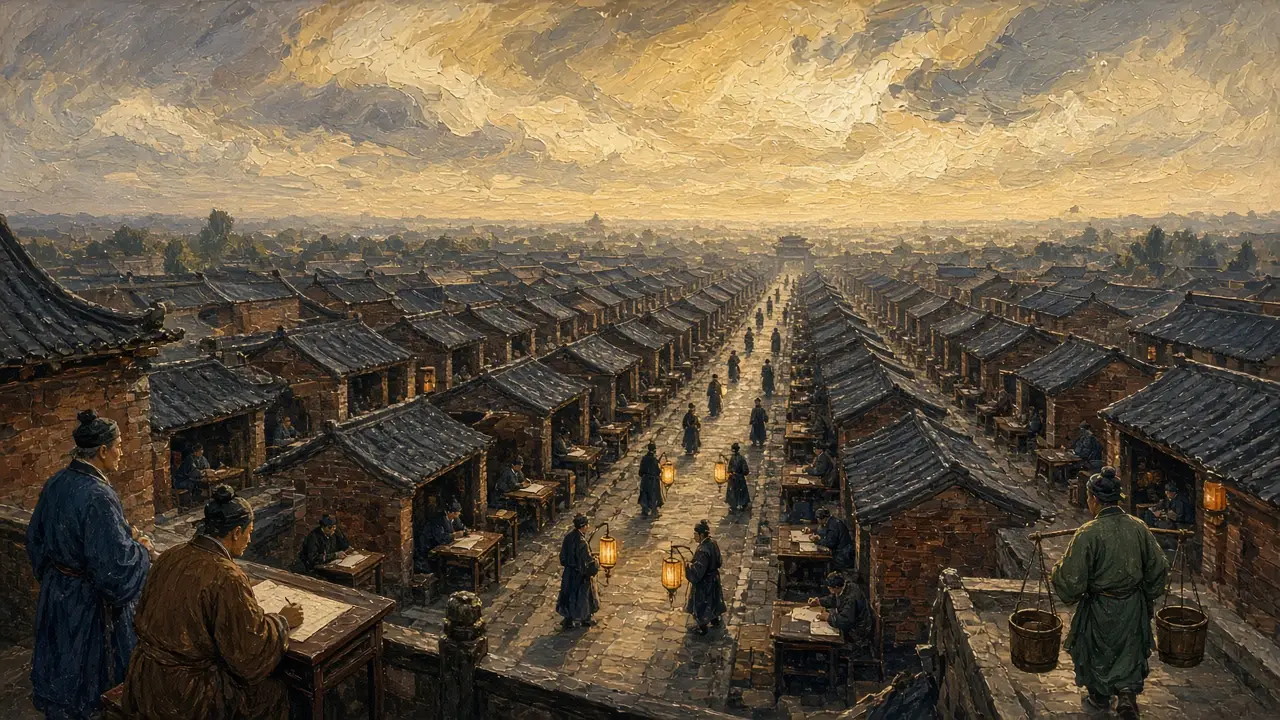
In the sixth century BCE China was split among rival states whose rulers fought, taxed and punished as they pleased. Confucius, a teacher from the small state of Lu, travelled from court to court looking for a ruler who would take his advice, with little success. His students gathered his sayings into the Analects, and one of them, book 2, saying 3, puts his case in two sentences. Lead people by laws and keep them in line with punishments, and they will try to stay out of trouble but feel no shame. Lead them by virtue and keep them in line with ritual, and they will feel shame and set themselves right.
The difference lies in what people learn. Punishment teaches them to calculate: what is forbidden, who is watching, what can be got away with. Example and ritual teach them to care how they stand in the eyes of people whose good opinion they want. Confucius compared the ruler's character to the wind and the people's to grass: when the wind blows, the grass bends.
Virtue, for Confucius, was not a private feeling. It meant ren, humaneness, shown through li, the rituals and manners that shape how a son treats a father, a host a guest, a minister a ruler. Order rests on these relationships being lived well, beginning at the top. Asked what a state needs, he named enough food, enough weapons and the trust of the people. If one must go, he said, give up the weapons first, then the food, for without trust no state can stand. As The First Rule showed, custom can do the work of law.
The objection was made in his own lifetime. Good character is rare and hard to check, and a state that waits for good rulers may wait a long while. His followers would argue for centuries over whether example spreads as he thought.
The handover

When Ayumi became head nurse of a surgical ward in Sendai, she inherited a long list of rules for the shift handover, with a written warning for anyone late. The warnings had piled up for a year. Nurses still drifted in five minutes after the hour, and those who came on time spent the handover glancing at the clock rather than at the patients' notes.
Ayumi kept the list but stopped issuing warnings. She arrived ten minutes early every day, read each chart with care, and thanked by name the nurses who had stayed late the night before. Within two months the handover began on time, and the questions asked in it grew sharper. When a visiting manager asked which rule she had changed, she said she had not changed any. The younger nurses had begun to do what she did, and to feel awkward when they did not.
Try this today Watch someone in charge today, a teacher, manager or parent, and notice whether people follow their rules or their example.
Cite or share this lesson
A plain reference you can paste into notes or an essay:
Quest2Order. “Rule by Virtue.” https://quest2order.com/learn/lesson/confucius-rule-by-virtue. Accessed 29 November 2026.
Sources
- Confucius (Stanford Encyclopedia of Philosophy) — His life, the Analects, and his ideas of ren, li and government by virtue.
- Confucius, The Analects — James Legge's translation; see book 2 on virtue and ritual, and book 12 on the wind and the grass.