
Lesson · 6 min Steady
Ashoka's Rock Edicts
In one line By carving his promises in stone, Ashoka let his subjects measure him against his own words.
Ashoka, Chandragupta's grandson, ruled most of the Indian subcontinent from about 268 to 232 BCE. In the eighth year of his reign he conquered Kalinga, on the east coast. His own inscription gives the cost: a hundred and fifty thousand people carried away, a hundred thousand killed, and many more dead besides. He wrote of deep remorse, and he turned toward the Buddha's teaching.
What he did next was unusual. He had edicts cut into rock faces and polished pillars from the Afghan frontier to the south, in local Prakrit languages, mostly in Brahmi script, in Kharosthi in the northwest, and in Greek and Aramaic near Kandahar. In them he set conquest by dhamma, his word for right conduct, above conquest by arms. He urged respect between sects, warning that whoever praises his own faith by running down others harms his own. He ordered wells dug, shade trees planted and medical care for people and animals, and appointed officers of dhamma to look after the welfare of every group.
The stone mattered. A promise spoken at court binds no one; a promise carved where people pass, and read aloud on festival days, can be quoted back. Ashoka told his officers in Kalinga that he wanted no one imprisoned or tortured without cause, and that he would send an inspector every five years to check.
Historians still debate what the edicts were. Admirers see a ruler binding himself to moral limits. Sceptics note that he kept the death penalty, granting the condemned three days' respite, warned the forest peoples that he still had power to punish them, and never gave Kalinga back. Was dhamma conscience, or a clever way to hold a vast and varied empire together?
Go deeper
For centuries almost nobody could read the edicts. Brahmi script fell out of use, and later rulers who saw the pillars thought them mysterious. In the late 1830s the British scholar James Prinsep, working from short donor inscriptions at Sanchi, cracked the script and read the edicts of a king who called himself Devanampiya Piyadasi, beloved of the gods. Only in 1915 did an inscription found at Maski, in the south, give the name Ashoka beside that title and settle who he was.
Read aloud at Dhauli
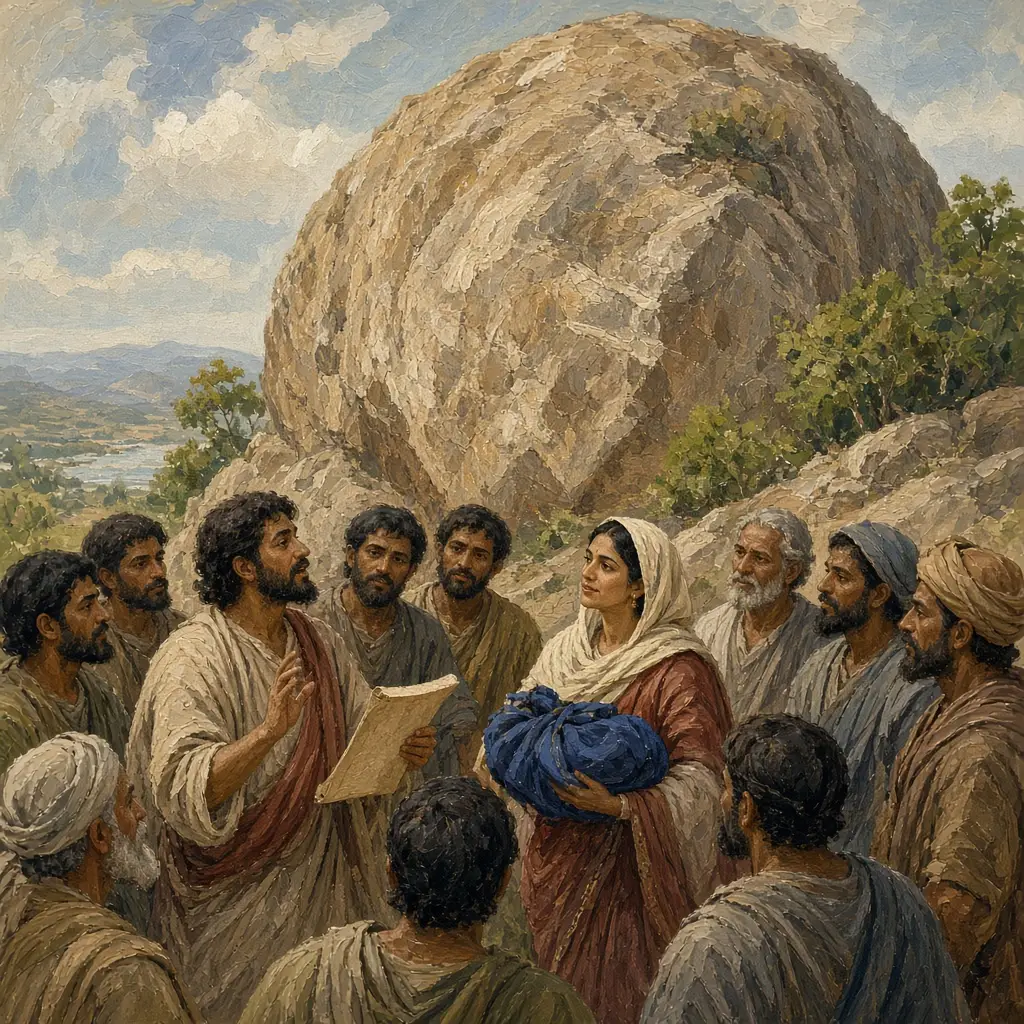
Picture Sumana, a potter near Tosali in Kalinga, whose brother has been held in the town jail for three months without a hearing. The officers tell her the case is not ready. On a festival day she walks to the great rock at Dhauli, where a scribe reads the king's words aloud to anyone who gathers, and she listens for the line her neighbours have told her about.
It is there: the king wants no one imprisoned or harmed without reason, and he will send an officer to see that his judges obey. When the inspecting officer comes that winter, Sumana stands in the line of petitioners and repeats the words. Her brother is released within the month. Whether the king ever hears of it she will never know; the rock is enough.
Try this today Find a promise your council, school or workplace has posted, such as a charter or code. Check one line against what you have seen happen.
Cite or share this lesson
A plain reference you can paste into notes or an essay:
Quest2Order. “Ashoka's Rock Edicts.” https://quest2order.com/learn/lesson/edicts-of-ashoka. Accessed 29 November 2026.
Sources
- The Edicts of King Asoka, rendered by Ven. S. Dhammika — An English version of the rock and pillar edicts, including the Kalinga edicts.
- Edicts of Ashoka — Where the edicts stand, their languages and scripts, and how they were deciphered.
- Ashoka — Britannica on the emperor's life, conversion and reign.