Lesson · 6 min Steady
Equality of What?
In one line Nearly everyone favours equality of something; the real arguments are over which thing, and what it costs the others.
In a lecture at Stanford University in 1979, the Indian economist Amartya Sen asked a short question with a long reach: equality of what? Nearly every serious theory of politics, he later argued, demands equality of something. The libertarian wants equal rights to liberty and property; the utilitarian counts each person's happiness equally; Rawls wanted equal basic liberties for all. They disagree less about whether to be equal than about where.
This week's claims can be sorted the same way, into five piles. Equal legal standing: the same laws for all, as in Equal Before the Law, which Hayek defended too. Equal opportunity: careers open to talent and, in Tawney's fuller version, the means to use them. Equal resources: money, land or public services shared more evenly. Equal outcomes: results such as income or health brought closer together, as in the pooled earnings of a kibbutz. Equal power: an equal say over the institutions that rule your life, which Marx's alienated worker lacked and Bakunin thought no state would grant.
Sen's own answer was capabilities: what people are actually able to do and be. Two people with the same income are not equal if one uses a wheelchair in a town without ramps, since the same money buys her less freedom. Equal resources can leave real freedom unequal.
The method is simple. When someone makes a claim about equality, ask which of the five it wants equalised, and what that would cost the others. Equal outcomes may need unequal treatment by law; equal treatment by law may leave outcomes far apart; equal power at work may slow a firm's decisions. Hayek and Tawney both favoured equality of something. Their quarrel, like most quarrels about equality, is over which something comes first.
Five cards in Nairobi

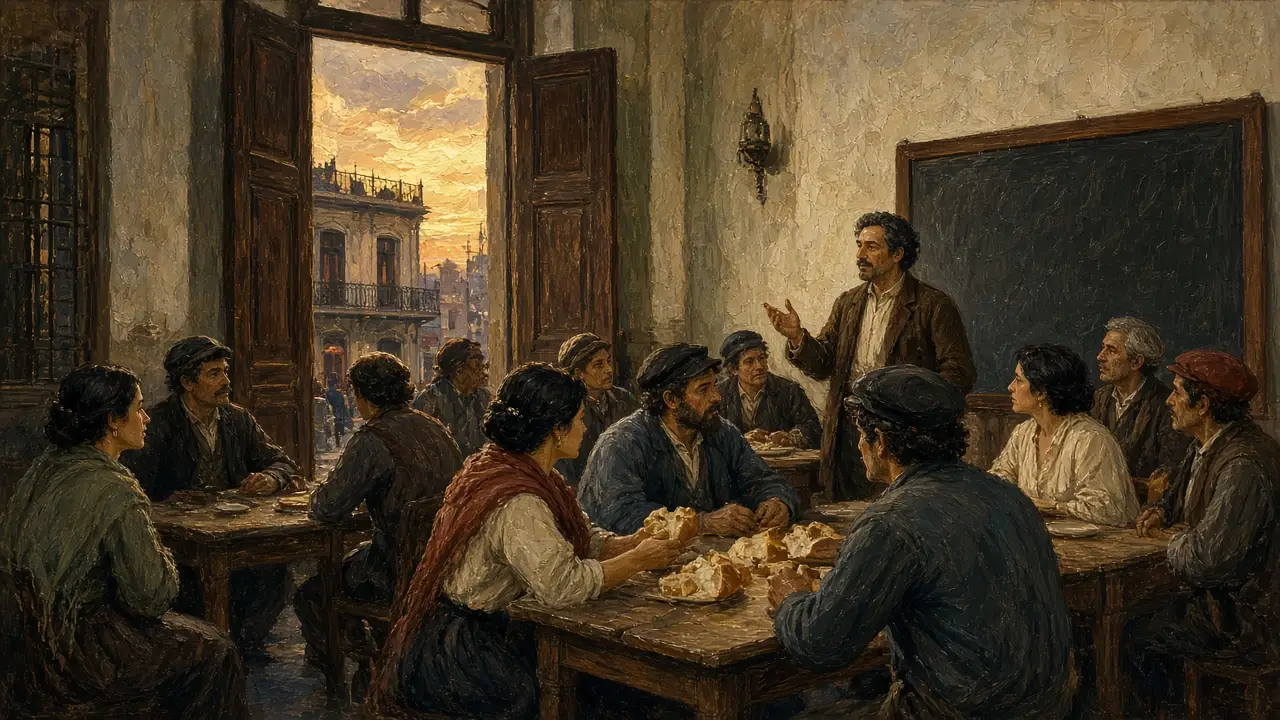
Wambui teaches civics at a secondary school in Nairobi. She writes five claims on cards and asks her class to sort them by what each wants made equal: one vote for every adult; entry to the best schools by examination alone; free maize flour for families below a certain income; the same pay for every member of a cooperative; workers electing half the supervisory board of a large company, as German law has required since the 1970s.
The class sorts quickly at first: standing, opportunity, resources, outcomes, power. Then the arguments start. Atieno says the exam card belongs under opportunity only if every child had decent schooling before it; otherwise it rewards a head start. Ochieng says the cooperative's equal pay will drive skilled members away, so the outcome card costs opportunity. Wambui does not settle it. She asks each student to name the card they would give up first, and to say why.
Try this today Next time someone calls a policy fair or unfair, ask quietly: equal what? Rights, chances, money, results or a say?
Cite or share this lesson
A plain reference you can paste into notes or an essay:
Quest2Order. “Equality of What?.” https://quest2order.com/learn/lesson/equality-of-what-exercise. Accessed 29 November 2026.
Sources
- The Capability Approach — Stanford Encyclopedia of Philosophy on Sen's capabilities and why equal resources can leave freedom unequal.
- Amartya Sen — His life and work, including the 1979 Tanner Lecture 'Equality of What?'.