
Lesson · 6 min Gentle
Prevention or Response?
In one line Codes, inspections and alarms save more lives from fire than engines do, yet the station is what voters see and defend.
Most of the progress against fire has come from things that work before any engine leaves the station. London's rules after 1666, met in London Burns, made the city itself harder to burn. On 25 March 1911 a fire at the Triangle Shirtwaist factory in New York killed 146 garment workers, mostly young immigrant women, partly because a stairwell door was locked and the single fire escape collapsed. New York answered with a wave of laws on exits, sprinklers and fire drills. On Christmas night 1953 a fire in the Shek Kip Mei squatter settlement in Hong Kong left more than 50,000 people homeless, and the government began the public housing programme that now houses a large share of the city.
In rich countries fire deaths have fallen steeply since the 1970s. Some of that came from fewer smokers and furniture harder to ignite, but much is credited to cheap smoke alarms, sprinklers, fire doors and the inspectors who enforce codes. A working smoke alarm roughly halves the risk of dying in a house fire, and a sprinkler often puts a fire out before any crew arrives. Many services, from Britain to Japan, now treat home safety visits and inspections as core work.
Yet budgets tend to protect the engine. A station is visible: residents can see it, know its crew and fight its closure. An inspector who orders a restaurant to fix its exits is a cost and a nuisance, and the fire that never happens wins no votes. The other side has a serious case too. Codes raise building costs and rents, inspections burden small firms and can invite bribes, and some fires happen however good the rules, so cutting response to pay for prevention may only move the risk.
As Before or After? showed, prevention is hard to see. In fire it is also a question of power: how much rule should people accept for fires that never start?
The envelope on the bar
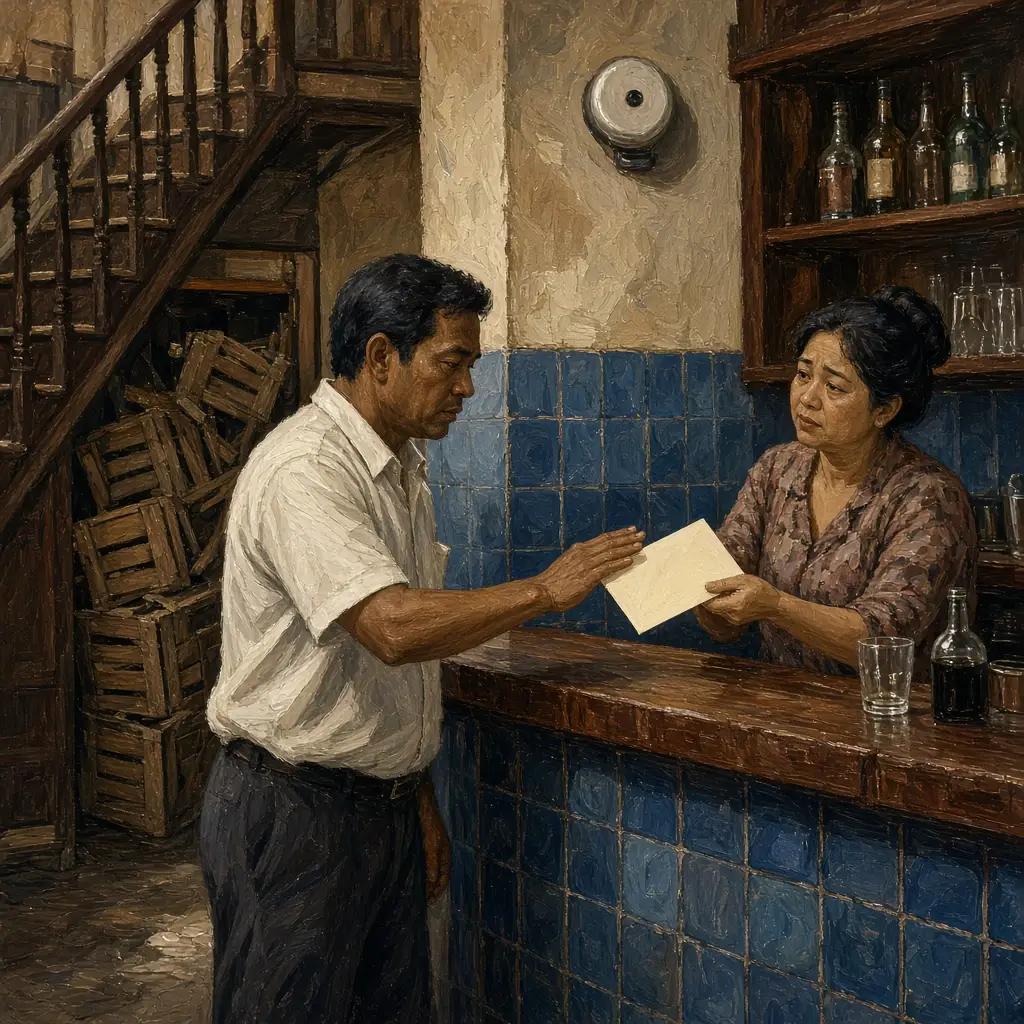
Joel inspects buildings for the fire service in Quezon City, in the Philippines. On a hot afternoon he visits a karaoke bar on the second floor of an old building. It has one narrow staircase, a back door blocked by crates, and no working alarm. Without his certificate the owner cannot renew her business permit, and she knows it. She tells him a second exit would cost more than she earns in three months, and slides an envelope across the bar.
Joel pushes the envelope back. He gives her sixty days to clear the back door, fit alarms and mark the exits, and writes that he will return. Walking down the stairs, he counts the steps and pictures the crowd on a Saturday night. Nobody will thank him if nothing happens, and the owner will tell her friends he is a pest. If something does happen, the first question will be who inspected the place.
Try this today Press the test button on your smoke alarm today. If you have none, find out whether your fire service fits them free.
Cite or share this lesson
A plain reference you can paste into notes or an essay:
Quest2Order. “Prevention or Response?.” https://quest2order.com/learn/lesson/prevention-or-response. Accessed 29 November 2026.
Sources
- Triangle Shirtwaist Factory fire — The 1911 New York fire and the factory laws that followed.
- Shek Kip Mei fire — The 1953 Hong Kong fire and the public housing programme it set off.
- Iroquois Theatre fire — The 1903 Chicago fire that changed rules on exits and panic bars.