
Lesson · 6 min Gentle
The Deal
In one line The social contract is a story about what you give up to live with others and what you get back.
Nobody asked whether you wanted to live under laws. You were born into them. Yet the laws take things from you: you may not take what you like, strike whom you like, or ignore the tax collector. Why should that bind you? Three thinkers in early modern Europe answered with one picture. Imagine people with no government, and ask what deal they would strike to escape that condition. The deal is the social contract.
Hobbes, in 1651, drew the darkest picture. Without a ruler everyone has a right to everything, so no one is sure of anything. People therefore hand their rights to a sovereign who keeps the peace by force. You give up almost everything; you get safety. Locke, forty years later, thought that too much. People form governments to protect what they already have, their lives, liberty and property, and they consent to obey only while the government does that job. When it fails, consent can be withdrawn.
Rousseau, in 1762, asked a harder question. How can you obey a law and still be free? His answer: if the law expresses the general will, what the people as a whole would choose for the common good, then in obeying it you obey yourself. You give up your private will on public matters; you get a share in making the rules that bind everyone.
The standing objection is simple: nobody signed. Defenders reply that the contract is a test, not a document. Ask what rules free and equal people could agree to, and judge real governments by that. Critics answer that this lets rulers claim a consent that was never given. Both sides are right about something, and the argument is still running.
The allotment committee
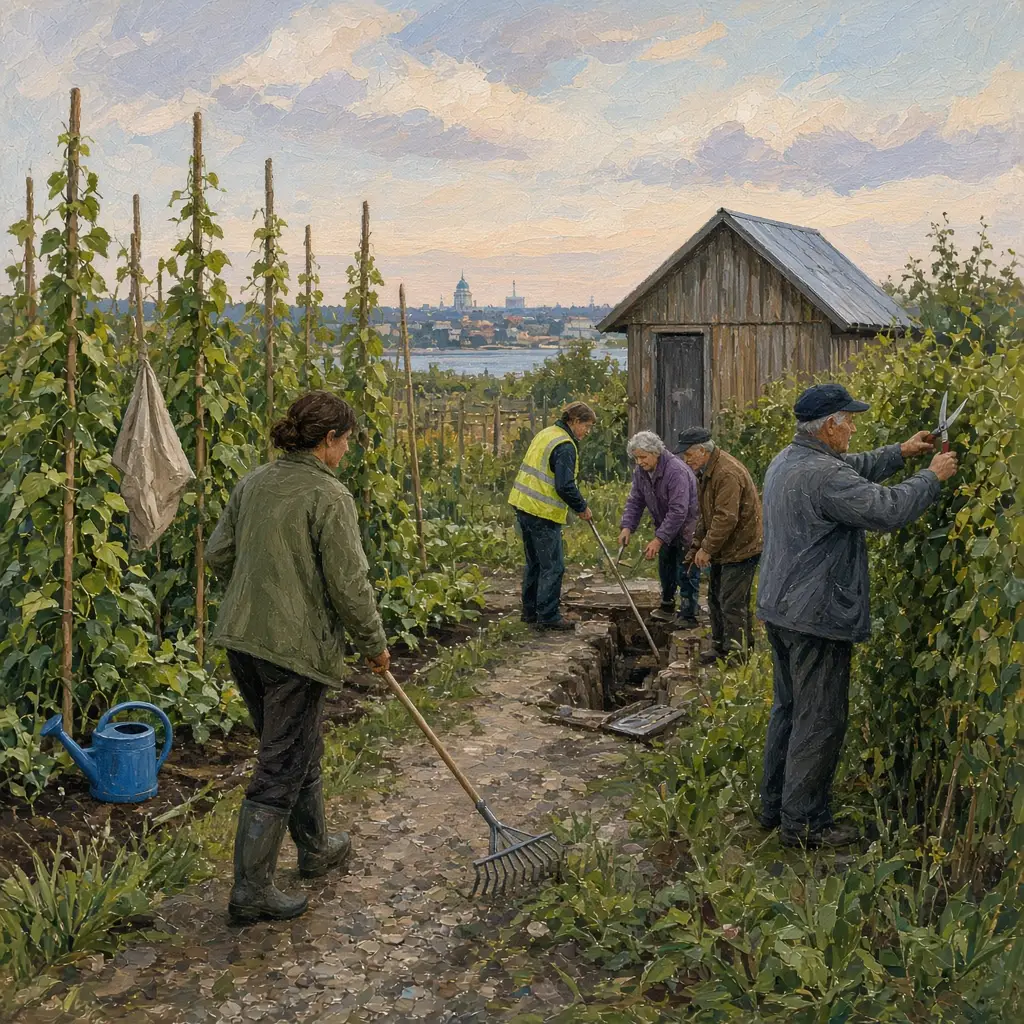
Oona took over an allotment plot on the edge of Helsinki and received, with the key, a four-page list of rules. No hedges over a metre. No bonfires in July. Two hours of shared path-clearing a season. She had signed nothing beyond the lease, and she grumbled about the paths.
Then a neighbour's plot flooded, and the committee had the drains cleared in a day with money from the fund she had paid into. Another neighbour planted a hedge that shaded her beans, and the committee made him trim it. Oona still had not voted for the rules. But she had found out what they bought her, and she turned up to clear the path. Whether that makes the rules fair, she says, is a question she is still working out.
Try this today Write down three things you are not allowed to do and three protections you receive, then ask yourself whether the trade feels fair.
Cite or share this lesson
A plain reference you can paste into notes or an essay:
Quest2Order. “The Deal.” https://quest2order.com/learn/lesson/the-deal. Accessed 29 November 2026.
Sources
- Contractarianism — Stanford Encyclopedia of Philosophy entry on social contract theory.
- John Locke, Second Treatise of Government — Consent, property and the right to resist a failed government.
- Jean-Jacques Rousseau, The Social Contract — The general will and how a people can obey and stay free.