Lesson · 6 min Gentle
The First Rule
In one line A rule is real when breaking it costs something, even if the cost is only a look.
Most of the rules you live by were never written down. Nobody passed a law about which side of the pavement to walk on, how long to hold a door, or whether to take the last biscuit. Yet you follow these rules, and so do the people around you. Sociologists call them norms. A norm is a shared expectation about how to behave, and it becomes a real rule the moment breaking it costs something.
The cost can be small. A raised eyebrow. A silence at dinner. A neighbour who stops lending you tools. In a village, a name for cheating can cost you trades for years. In an online group, a careless post can bring a pile-on or a quiet ban. None of this needs a police officer or a court. The group enforces the rule itself, and most people comply because they want to belong.
Confucius saw this about twenty-five centuries ago. He taught that a society held together by li, usually translated as ritual or propriety, is stronger than one held together by punishment. People who learn the right forms from childhood correct themselves out of shame before any official needs to act. Laws catch people after they fall. Good customs stop them falling.
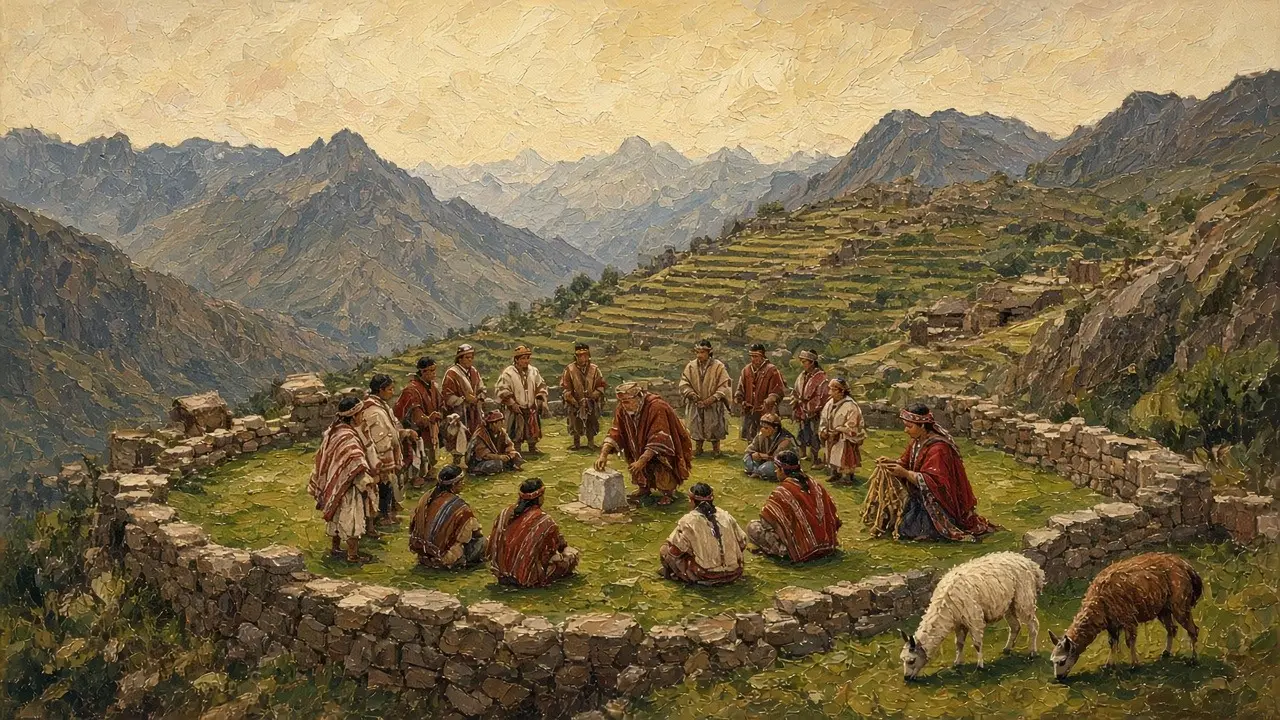
Modern research agrees. The political scientist Elinor Ostrom spent decades studying fisheries, forests and irrigation systems shared by whole communities. Textbooks predicted such resources would be ruined by overuse. Instead she found that many communities had made their own rules, watched each other, and punished cheats with graded penalties, with no state telling them to. Norms came first. Laws, when they come, are usually built on top of them.
The towel on the floor

Kenji joined a small boxing gym in Osaka where the written rules fit on one card by the door. The real rules were elsewhere. You wiped the bench after you used it. You did not take the heavy bag while someone older was waiting. On his second week he forgot the bench.
Nobody said a word. But the man who had been chatting with him turned away, and the coach, without looking up, slid a towel across the floor to his feet. Kenji wiped the bench and felt his face burn. He has not forgotten since. No fine was issued, no warning given. The rule existed because breaking it cost him something, and the gym enforced it without anyone raising their voice.
Try this today Notice one unwritten rule you follow today, such as where you queue or how loud you speak, and name what would happen if you broke it.
Cite or share this lesson
A plain reference you can paste into notes or an essay:
Quest2Order. “The First Rule.” https://quest2order.com/learn/lesson/the-first-rule. Accessed 29 November 2026.
Sources
- Confucius, The Analects — Li, ritual propriety, as the glue of a society that needs little punishment.
- Elinor Ostrom — Her work on how communities govern shared resources with their own rules.
- Social Norms — Stanford Encyclopedia of Philosophy entry on how norms arise and are enforced.