Lesson · 6 min Gentle
The Jury and Its Rivals
In one line Some countries let citizens decide guilt alone, some seat them beside judges, and many leave the verdict to professionals.
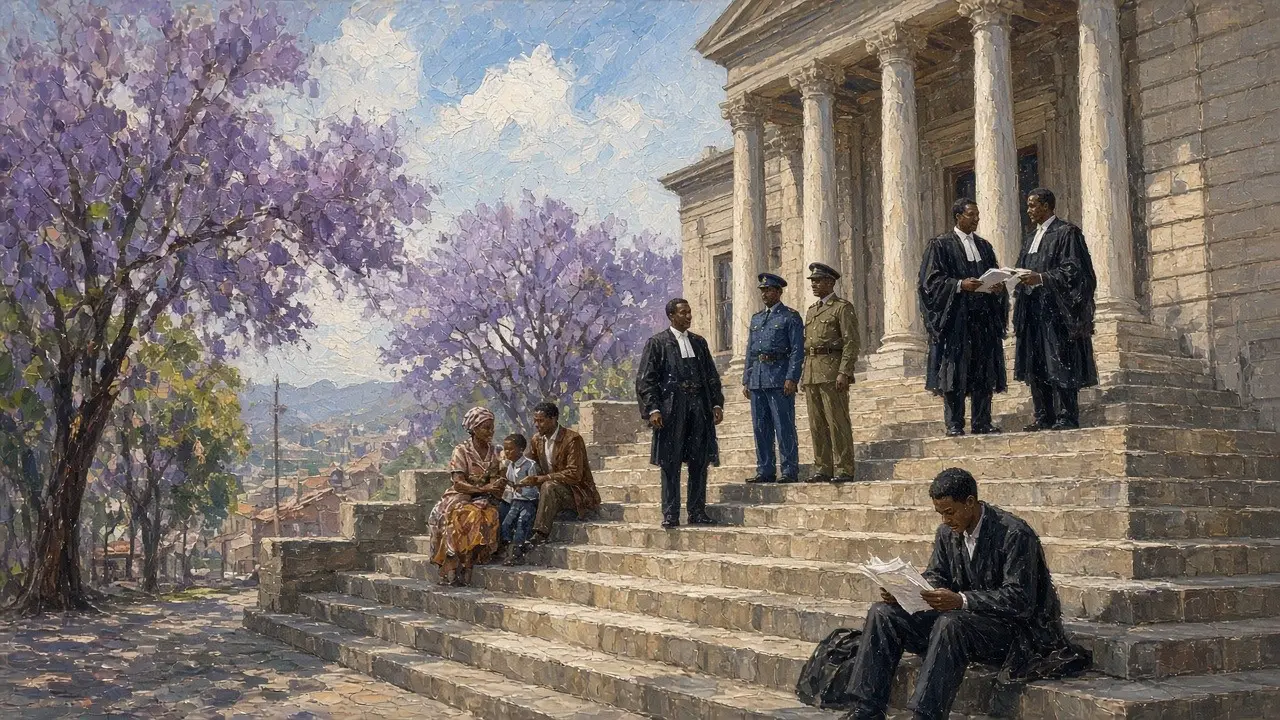
England's answer to who should decide guilt, built up over centuries, was a jury: twelve ordinary people, chosen at random, who hear the evidence and give a verdict without reasons. England carried the jury across its empire. Yet most of the world never adopted it, and several that inherited it later let it go. India phased out jury trials after independence, and South Africa abolished them in 1969. Juries survive mainly in England and Wales, the United States, Canada, Australia, Ireland and a few others.
Many countries chose a middle path: lay judges who sit beside professionals. In Germany, residents called Schöffen, chosen from council lists for terms of several years, sit with professional judges in many criminal trials and vote with equal weight. Japan, which ran a jury from 1928 until 1943, returned to citizen judgement in the twenty-first century with its saiban-in system. Six citizens drawn by lottery sit with three judges in the gravest cases, and a guilty verdict needs a majority that includes at least one professional judge and one citizen.
Alexis de Tocqueville, who toured America in the 1830s, defended the jury less as a way of finding the truth than as a school. In Democracy in America he argued that serving on juries, especially in civil cases, teaches citizens to judge fairly, to take responsibility for others and to understand the law. He likened it to a free public school that never closes, and thought few institutions did more to make a people fit to govern itself.
The case against is serious. Juries can be unpredictable and slow; they give no reasons, so a mistaken verdict is hard to examine; and long fraud trials ask a great deal of untrained people. Mixed courts answer some of this but raise their own worry, that the professionals will quietly steer the amateurs. Each system trades the voice of the community against the craft of the judge.
Nine in a row
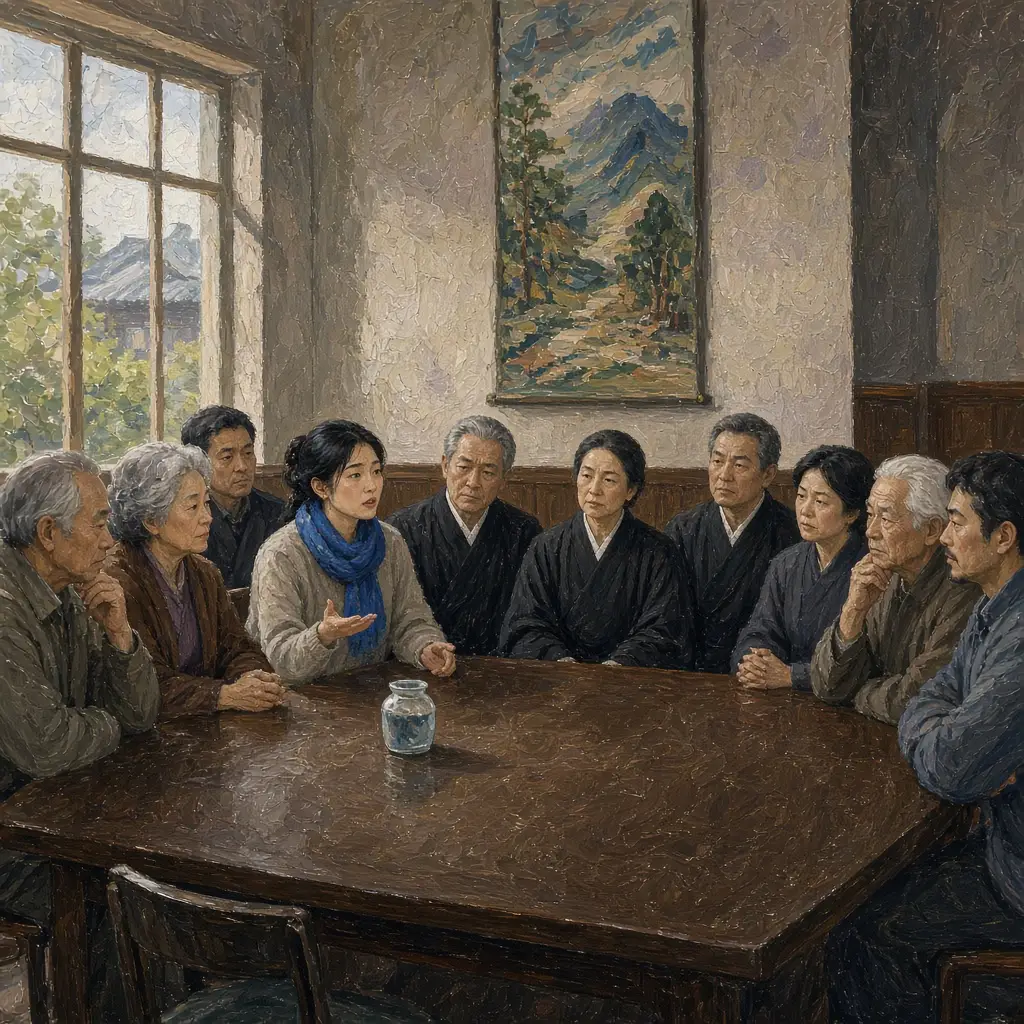
Haruka, a pharmacist in Sendai, opened a letter from the district court telling her she had been drawn by lottery from the electoral roll. A few weeks later she sat in a raised row of nine: three judges in black robes in the middle, six citizens in ordinary clothes on either side. The case was a robbery in which a shopkeeper had died, and the hardest question was whether the accused had meant to kill.
In the deliberation room the presiding judge explained the law and then asked the citizens to speak first, so they would not simply echo the professionals. Haruka argued that the knife had been grabbed in panic, not carried in. Two judges disagreed with her; one did not. They voted on intent and then, together, on the sentence. Walking out after five days, she told her husband she would never read a crime report in the newspaper the same way again, which was the change Tocqueville hoped such service would bring.
Try this today Watch five minutes of any filmed trial and note who speaks, who decides, and who only listens.
Cite or share this lesson
A plain reference you can paste into notes or an essay:
Quest2Order. “The Jury and Its Rivals.” https://quest2order.com/learn/lesson/the-jury-and-its-rivals. Accessed 29 November 2026.
Sources
- Alexis de Tocqueville, Democracy in America, Volume 1 — Part 2, chapter 8 discusses the jury as a political institution and a school for citizens.
- Lay judge — Overview of lay judges in Germany, Japan and other countries.
- Judicial system of Japan — Includes the saiban-in panels of six citizens and three judges.