
Lesson · 6 min Gentle
Tyranny of the Majority
In one line A majority can silence dissent without passing any law, by making disagreement feel unthinkable.
In 1831 a young French magistrate, Alexis de Tocqueville, sailed to the United States with his friend Gustave de Beaumont, officially to study prisons. He stayed about nine months and came home with the material for Democracy in America. He admired much of what he saw: towns that ran their own affairs, associations formed for every purpose, a deep habit of equality. One thing frightened him.
He called it the tyranny of the majority. Where the majority makes the laws, chooses the officials and sits on the juries, he asked, where can a person it has wronged turn for help? Each authority speaks with the majority's own voice. Half plus one settles a dispute, but it leaves a loser, and in a pure democracy the loser can appeal only to the side that beat him.
His deeper worry was not about law at all. He wrote that he knew of no country with less independence of mind and real freedom of discussion. Nobody was jailed for an opinion, but a writer who crossed the majority found friends cooling and readers vanishing. The majority needed no chains; it worked on the mind, so that people dropped a thought before anyone forbade it. John Stuart Mill took up the idea, warning that social pressure can be harder to escape than many kinds of political oppression.
The worry travels. In 399 BC a jury of about five hundred Athenian citizens voted to condemn Socrates. In 1956 Ceylon's parliament, chosen by a Sinhala-speaking majority, made Sinhala the sole official language, shutting many Tamil speakers out of government jobs. Both decisions were lawful, and both were a majority's. Tocqueville's question is what should stand between such a majority and those it outvotes.
The school vote
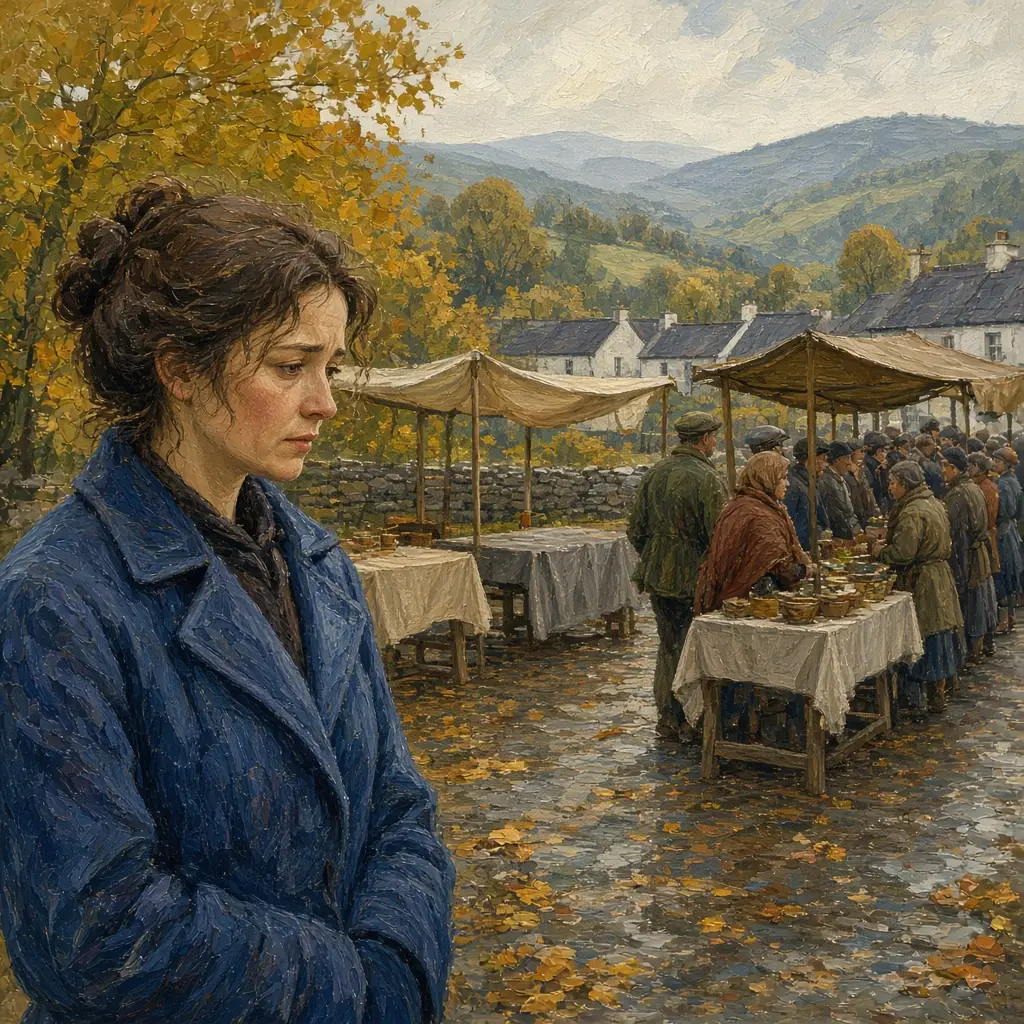
The parish in County Kerry voted 212 to 31 to close its two-teacher school and bus the children into town. Niamh, who farms sheep above the village, thought it was a mistake. But the hall was so sure of itself that she said nothing and raised her hand with the rest. The two men who did speak against were talked over and laughed at.
Nobody fined them. But at the autumn fair the two men's stalls stood empty while the queue at the next table ran out the door, and one of them stopped coming to Sunday Mass. Niamh told her sister that the vote had been perfectly fair, and that was what bothered her. No rule had been broken. She wondered how many of the 212 hands had gone up the way hers had.
Try this today Notice a moment today when you kept an opinion to yourself because everyone around you seemed to agree. What would speaking have cost?
Cite or share this lesson
A plain reference you can paste into notes or an essay:
Quest2Order. “Tyranny of the Majority.” https://quest2order.com/learn/lesson/tocqueville-tyranny-of-majority. Accessed 29 November 2026.
Sources
- Alexis de Tocqueville, Democracy in America, Volume 1 — Part 2, chapter 7, on the omnipotence of the majority and its effects.
- Tyranny of the majority (Wikipedia) — The idea from Tocqueville and Mill to today.