
Lesson · 6 min Stretch
1989 and After
In one line Democracies return through elite pacts and citizens' pressure, and last once nobody seeks power outside them.
Democracies also come back. In Spain, after Franco died in November 1975, reformers inside the regime bargained with the opposition. In November 1976 Franco's own parliament voted, by 425 to 59, for a reform law that replaced it, and 94 percent approved it in a referendum. Free elections followed in June 1977, the Moncloa Pacts on wages and prices that autumn, and a constitution in December 1978. Scholars call this a pacted transition.
In 1989 the pacts were made at round tables. In Poland the ruling party and Solidarity talked from February to April and agreed a legal union, a freely elected Senate and 35 percent of the lower house open to contest. In the vote that began on 4 June, Solidarity won every contested seat in the lower house and 99 of 100 in the Senate, and by August its adviser Tadeusz Mazowiecki was prime minister. Hungary's talks that summer led to free elections in March 1990. Elsewhere crowds moved first, as in Bucharest (The Tipping Point), and South Africa's long negotiation is in A Constitution From the Wreckage.
When is the return complete? Juan Linz and Alfred Stepan answered that democracy is consolidated when it is the only game in town: no significant group seeks power outside it, most citizens prefer it even in hard times, and conflicts are settled by its rules. Spain met a test in February 1981, when Civil Guards seized the Congress and the king and most commanders refused to join them.
Pacts are made by elites. Havel, met in Living in Truth, insisted on the citizen's part. Civic Forum was founded in a Prague theatre on 19 November 1989, and by 29 December he was president. In his New Year address he told his fellow citizens that all of them had grown used to the old system and helped keep it going, so all shared the work of repair. Critics say pacts shield old elites; defenders say that is what lets them leave quietly.
The national list
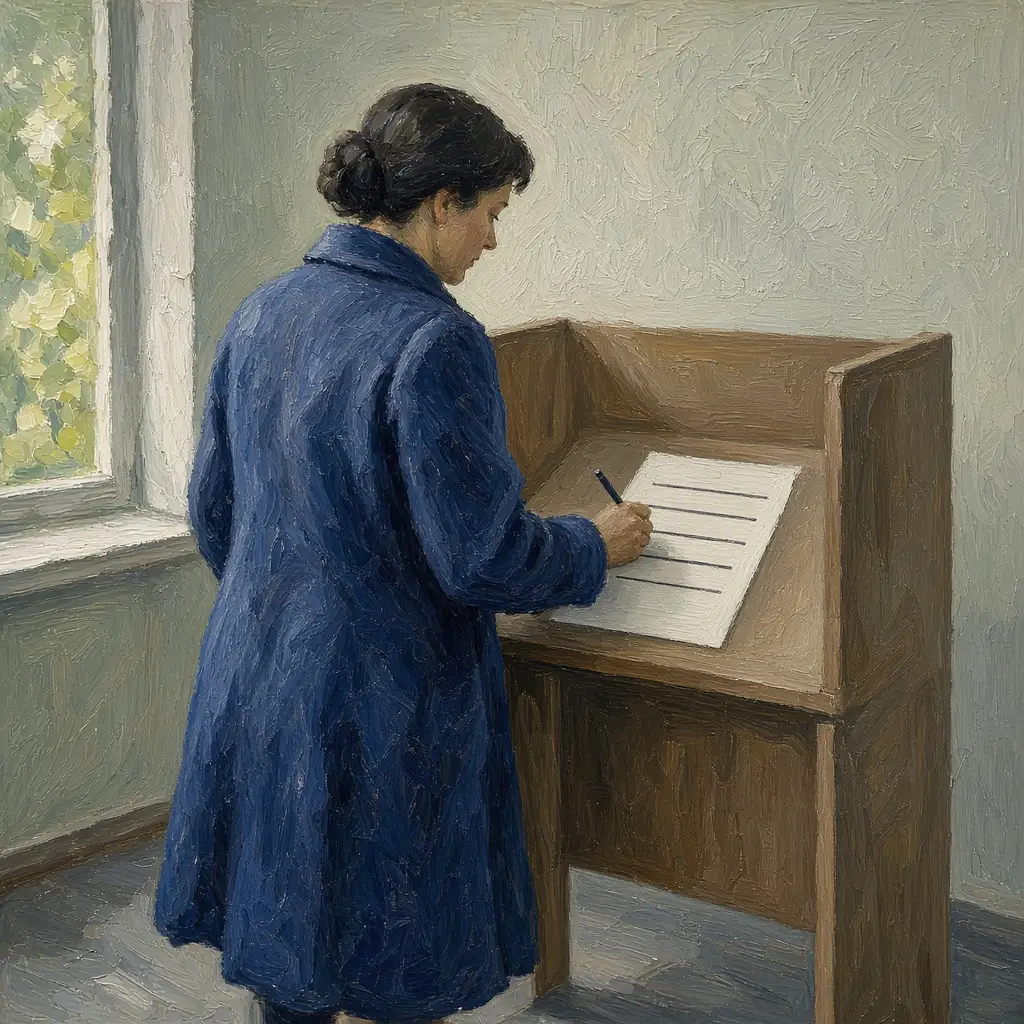
Krystyna taught French at a school in Lublin and had spent May on Solidarity's local citizens' committee, pasting up posters of its candidates, each photographed beside the union's leader. On 4 June 1989 she took her ballots into the booth. The Senate ballot was easy. The hard one was the national list: thirty-five leading figures of the ruling camp, running unopposed under the Round Table deal, who needed half the votes cast to take their seats.
The deal assumed they would pass. Her husband had warned that crossing them out might anger Moscow and wreck the bargain. Krystyna thought about the bargain, and about the years of martial law, and drew a line through every name. So did millions of others: all but two of the thirty-five fell short. The two sides then agreed to fill the empty seats in a second round, and the bargain held.
Try this today Ask an older relative or neighbour what changed first when a regime they lived under ended: the laws, or what people dared to say.
Cite or share this lesson
A plain reference you can paste into notes or an essay:
Quest2Order. “1989 and After.” https://quest2order.com/learn/lesson/transitions-of-1989-and-recovery. Accessed 29 November 2026.
Sources
- Spanish transition to democracy — Franco's death, the Political Reform Act and referendum of 1976, the elections of 1977 and the attempted coup of 1981.
- Polish Round Table Agreement — The talks of February to April 1989, the terms agreed and the election of 4 June 1989.
- Democratic consolidation — Linz and Stepan's test of democracy as the only game in town, and their five arenas.