
Lesson · 6 min Steady
Soft Despotism
In one line Tocqueville feared a mild power that does everything for citizens until they forget how to govern themselves.
Tocqueville's first fear was a majority that silences dissent through opinion, the fear that Tyranny of the Majority described. By the second volume of Democracy in America, in 1840, he had found a quieter danger. He struggled to name it, since the old words despotism and tyranny did not fit. Later readers call it soft despotism.
It starts with what he called individualism, then a new word. He did not mean selfishness, an old vice, but a calm feeling, natural in equal societies, that leads each person to draw back into a small circle of family and friends and leave the wider society to look after itself. Aristocracy had bound people in a long chain of duties from peasant to king; democracy breaks the chain and sets each link apart.
Into the space left by withdrawn citizens steps a new kind of power. He pictured it as immense and tutelary, securing people's comforts, managing their affairs, dividing their inheritances: mild, regular and far-sighted. It would resemble a parent's authority, except that it aims to keep people children rather than raise them to adulthood. It does not break wills but softens and bends them, until a nation becomes a flock of timid, hard-working animals with the government as its shepherd. Citizens console themselves that they elect their guardians, stepping out of dependence for a moment to choose a master and then returning to it.
No separation of powers can stop this, since every branch can serve the same gentle management. His remedy was the one in Tocqueville's Associations: local liberties, associations, a free press and courts that make people meet and act. Critics reply that public services can free people for civic life rather than smother it; Denmark and Norway combine generous states with some of the densest club and union membership anywhere. Mill takes up the problem later in the course.
The courtyard
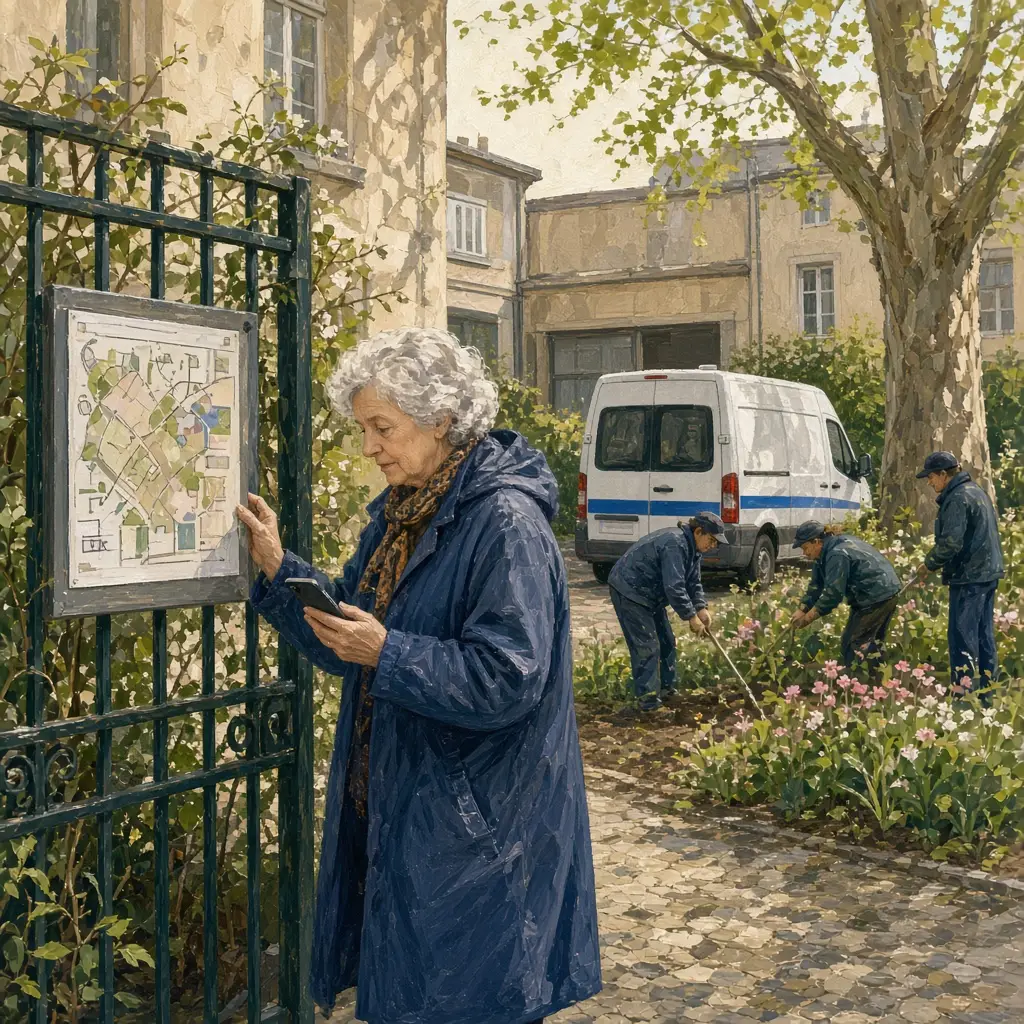
When Brigitte moved to Villeurbanne, near Lyon, the residents' committee of her block ran the courtyard garden, the Christmas meal and a rota for checking on elderly neighbours. Over the years the town hall took each task over, kindly and well. Gardeners came on Thursdays. An app reported broken lights. A social worker phoned the old. Fewer people came to committee meetings, and one spring it simply did not meet.
Then the town hall announced that the courtyard would become a car park, and opened a consultation online. Brigitte wanted to object and found she did not know whom to call. Nobody had a list of residents, nobody had chaired a meeting in years, and the neighbours she asked said the town hall surely knew best. Nobody had forced anything on them. They had been looked after so well that they had lost the habit of looking after themselves.
Try this today Notice one thing today that you leave entirely to an authority. Could you and your neighbours handle part of it yourselves?
Cite or share this lesson
A plain reference you can paste into notes or an essay:
Quest2Order. “Soft Despotism.” https://quest2order.com/learn/lesson/tyranny-of-the-majority. Accessed 29 November 2026.
Sources
- Soft despotism — Tocqueville's idea of a mild, managing power, with his image of the flock and the shepherd.
- Alexis de Tocqueville, Democracy in America, Volume 2 — Book II, chapter 2, on individualism, and Book IV, chapter 6, on the despotism democracies have to fear.