
Lesson · 6 min Steady
Wollstonecraft Against Burke
In one line Wollstonecraft answered Burke that tradition had handed down poverty too, and that freedom needs the means to use it.
Burke's Reflections appeared in early November 1790. On 29 November an anonymous reply was on sale in London: A Vindication of the Rights of Men. The first edition sold out within three weeks, and the second, in December, carried the author's name, Mary Wollstonecraft. Two years before the book met in Wollstonecraft's Reply, she was the first in print against Burke.
Her charge was that Burke's reverence for the past protected those whom the past had favoured. He wept for the queen of France, she wrote, and spared few tears for the poor, the hungry or the enslaved, whose misery had been inherited too. Tradition had handed down the slave trade and laws that fell hardest on people with nothing. Age alone did not make a custom wise; reason had to test what custom passed on.
Her deeper point was about property. Burke's great estates, passed whole to eldest sons, kept land in few hands and left most people dependent on the goodwill of others. Drawing on Locke's view that property comes from labour, Wollstonecraft wanted it spread more widely, and asked why large estates could not be divided into small farms. Someone who depends on a patron for bread, she argued, cannot use the liberty the law allows. Independence is the ground of virtue, and of freedom.
Critics answered that she wrote in heat, piling up charges more than building an argument, and Burke's defenders said that property shared out by reformers would soon be seized by the strongest. But her reply turned the week's debate from liberty towards equality. What is freedom worth to someone with no means to use it? Next week takes up that question.
The petition on the table
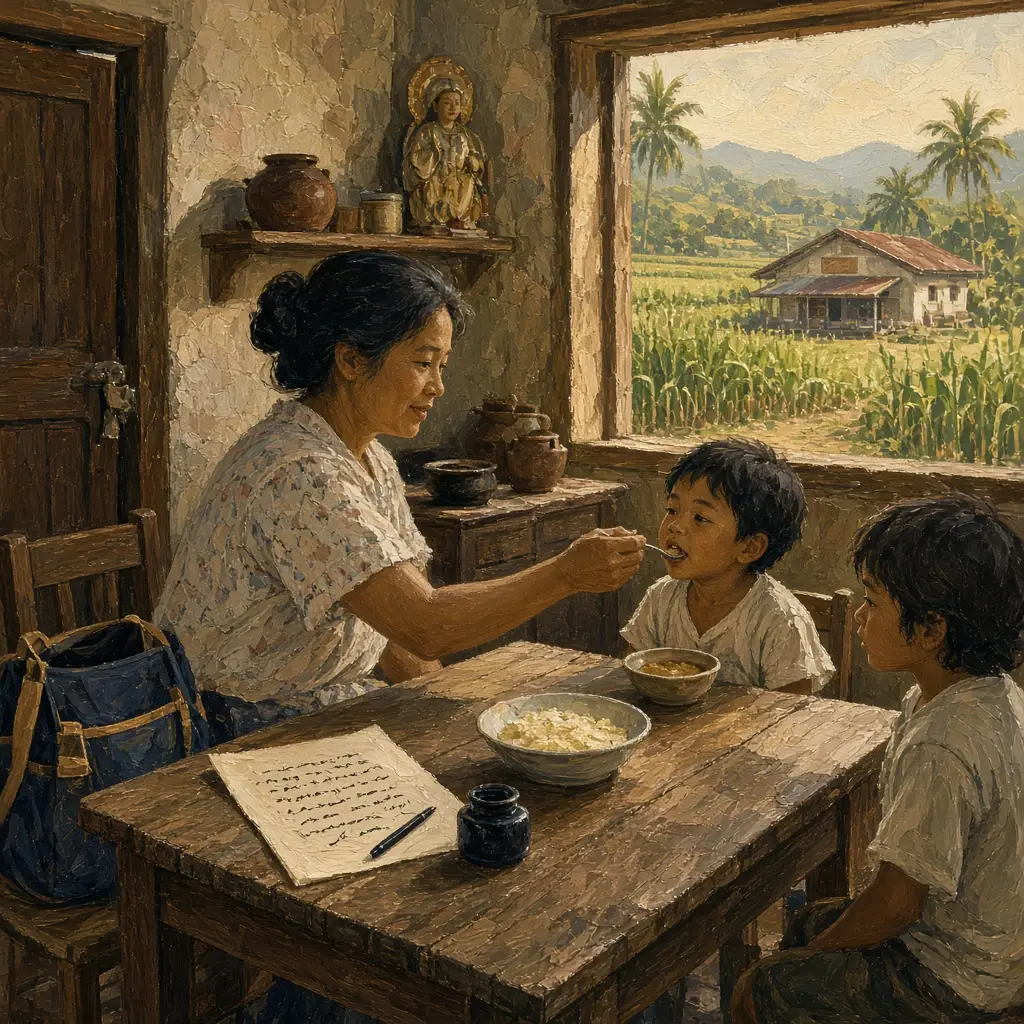
Rosario's family has cut sugar cane on a hacienda in Negros, in the Philippines, for three generations. The law lets her vote, speak her mind and travel where she likes, and the owner's family reminds the workers of this every year at the fiesta.
But her house stands on the owner's ground, her wages come from his fields and her loans from his store. When an organiser came round asking workers to sign a petition for a survey of the land, Rosario read it twice, wanted to sign, and put the pen down. Her brother asked her why, since nobody had forbidden it. Nobody had needed to, she said, and went back to feeding the children.
Try this today Think of a freedom you have in law but rarely use. Is anything except money, time or someone's goodwill standing in the way?
Cite or share this lesson
A plain reference you can paste into notes or an essay:
Quest2Order. “Wollstonecraft Against Burke.” https://quest2order.com/learn/lesson/wollstonecraft-rights-of-men. Accessed 29 November 2026.
Sources
- A Vindication of the Rights of Men — Wikipedia on the reply's publication, arguments on rank, property and poverty, and reception.
- Mary Wollstonecraft — Stanford Encyclopedia of Philosophy entry, including her reply to Burke and her views on property and independence.
- Reflections on the Revolution in France — Wikipedia on the book she answered and the replies that followed.